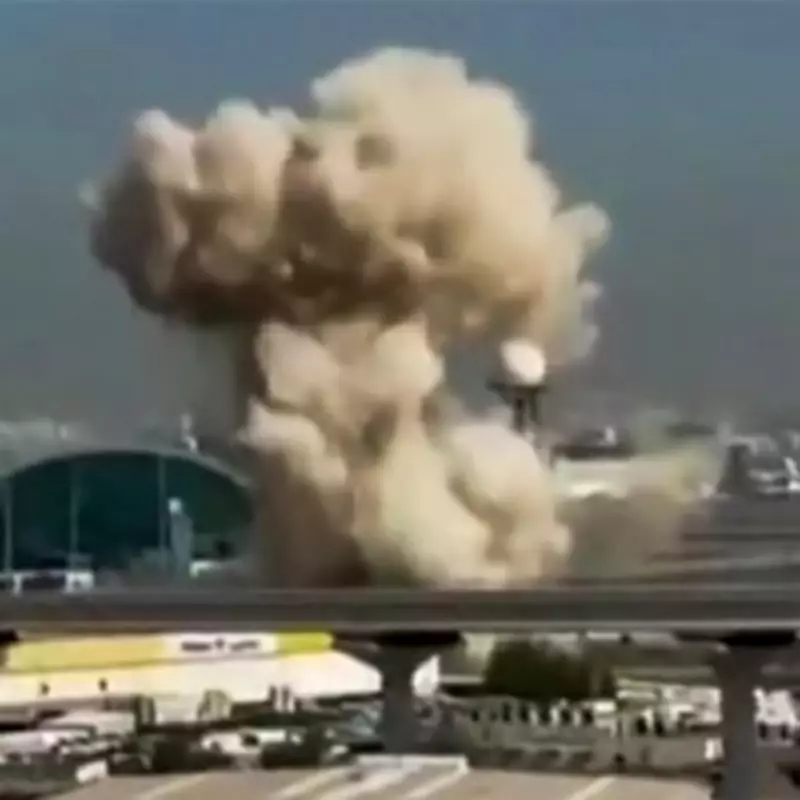
A British tourist who allegedly filmed Iranian missiles flying over Dubai while on holiday is now confronting a potential two-year prison sentence in the United Arab Emirates. The 60-year-old man from London stands accused alongside twenty other individuals of violating the UAE's stringent regulations against disseminating rumours and unauthorised conflict footage.
Arrest and Charges Under UAE Legislation
The man was arrested on Monday, according to reports from the legal advocacy organisation Detained in Dubai. He is charged with breaking laws that prohibit filming or uploading social media content related to military conflicts, a serious offence in the Emirates. Prosecutors had issued a stark warning just last week about the legal risks associated with sharing unverified information about the ongoing Middle East war.
Footage Deleted and Claims of Ignorance
Authorities state that the tourist immediately deleted the footage from his mobile device when confronted by officials. He reportedly asserted that he had no awareness of infringing any laws, highlighting a potential gap in understanding between tourists and local legal frameworks. The incident underscores the severe consequences that can arise from seemingly innocuous actions in regions with strict cyber and media regulations.
UAE's Public Prosecution Statement
The UAE Public Prosecution reinforced its stance through a social media post, emphasising that "any person who shares or reposts content from unknown sources shall be subject to legal accountability in accordance with the applicable legislation, even if they are not the original creator of such content." The message concluded with a reminder that "information is a responsibility, and spreading rumours is a crime," signalling a zero-tolerance approach to unauthorised dissemination of conflict-related material.
This case brings to light the broader implications for tourists and residents alike in the UAE, where legal boundaries around digital content are rigorously enforced. The involvement of multiple accused individuals suggests a coordinated crackdown on activities deemed to threaten national security or public order. As international travel resumes, such incidents serve as a cautionary tale about the importance of familiarising oneself with local laws, particularly in jurisdictions with stringent controls over information flow and media expression.