Japan's Cherry Blossom Crisis: Climate Change Disrupts a 1,200-Year Tradition
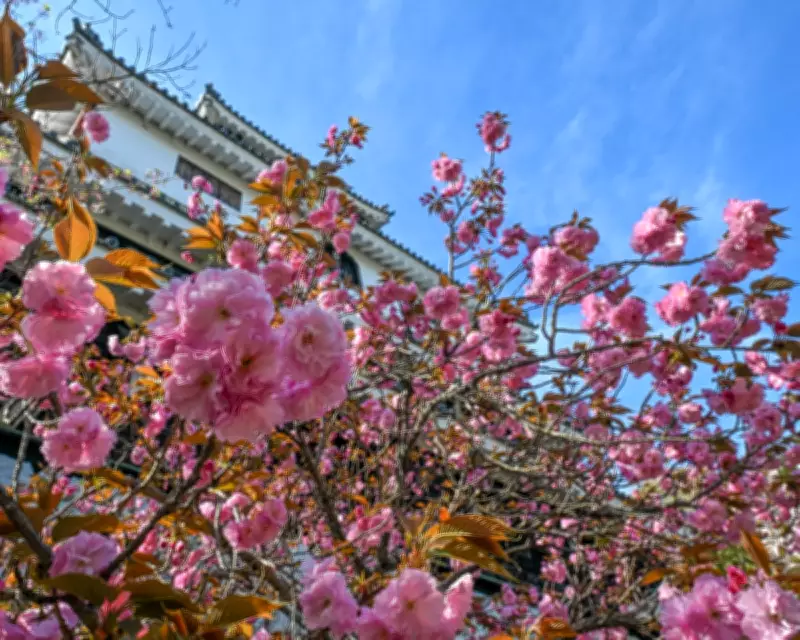
A view of pink double-layered cherry blossoms in full bloom, framing the white-walled tiers of Iwakuni Castle in Iwakuni, Japan, captures a scene of fleeting beauty. This annual spectacle, deeply embedded in Japanese culture, is now shifting out of time due to global heating, unsettling nature's rhythms and their profound cultural meaning.
Historical Data Reveals Alarming Trends
Professor Yasuyuki Aono, who passed away before completing his work for 2026, spent decades reconstructing cherry blossom flowering dates in Kyoto back to the ninth century. His research, based on a 1,200-year dataset, shows that "peak bloom" now occurs around two weeks earlier than in previous centuries. In the 1820s, full bloom arrived in mid-April, but by 2023, it had shifted to 25 March. This earlier blooming signals warmer springs, with March temperatures in Kyoto rising by several degrees since the early 19th century.
Professor Aono's efforts involved learning classical Japanese script to read historical documents, a painstaking process that began with archival recovery in 1939. By the 1950s, meteorologist Hidetoshi Arakawa recognized these dates as climate records, not just cultural markers. The dataset has since been expanded and used to analyse long-term trends, revealing that this century is significantly hotter than previous ones.

Cultural and Economic Impacts
The shift in bloom timing threatens more than just biology; it disrupts the essence of spring in Japan. Hanami, the tradition of picnicking under cherry blossoms as they sweep north from Okinawa to Hokkaido, is now at risk. This event is central to Japanese identity, linked to the concept of mono no aware—a sadness at the passing of things—and celebrated in works like the 10th-century novel The Tale of Genji.
Economically, the cherry blossom season generates approximately $9 billion annually for Japan's tourism industry. The craze has led to overcrowding, with towns like one near Mount Fuji cancelling festivities due to an influx of visitors seeking "Instagrammable" spots. Earlier blooms risk breaking these natural rhythms, potentially diminishing the cultural and economic significance of sakura.
Global Implications and Future Outlook
This pattern is not unique to Japan. Since 1921, the United States has recorded peak bloom dates for cherry trees gifted by Japan to Washington, showing an advance of about a week. Another researcher will now maintain and update the records, but the continuity depends on individual efforts, highlighting the fragility of such long-term datasets.
Disputes over the blossom's origin in East Asia add political dimensions, but the core issue remains environmental. Global heating is accelerating changes that could sever the connection between cherry blossoms and their historical meanings. As spring slips out of time, the challenge is to preserve both natural heritage and cultural traditions in the face of climate crisis.