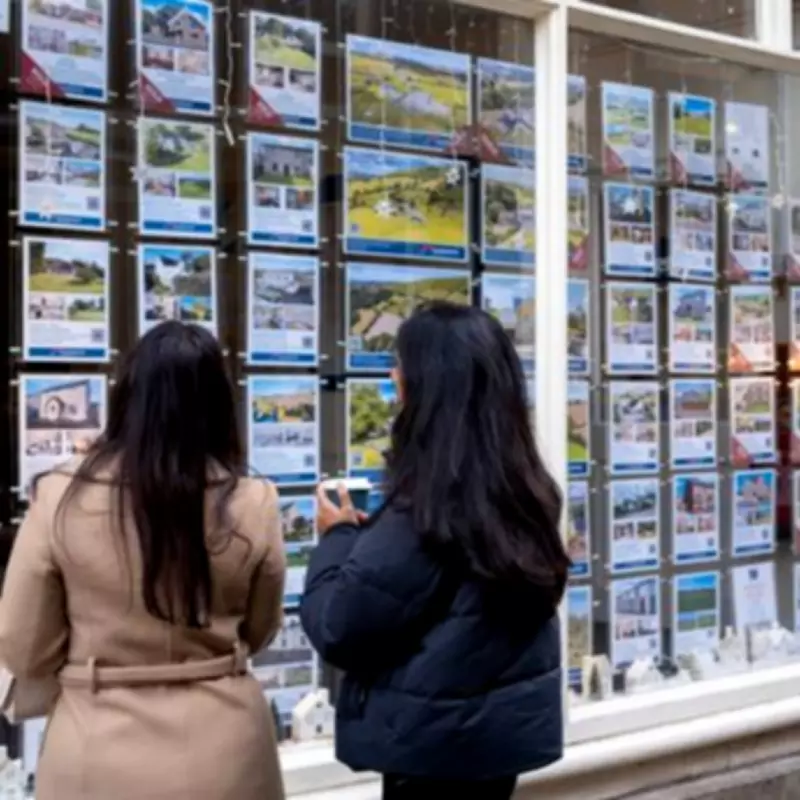
Annual house price growth dropped to zero in the year to March, according to official figures released this week, falling from 1.7% in the 12 months to February 2026. The average UK property price now stands at £268,000.
Market Shift Favours Buyers
The annual UK house price inflation rate slowed as average monthly prices declined by 0.4% between February and March 2026, compared with a substantial monthly increase of 1.2% during the same period a year earlier. This occurred ahead of the April 2025 amendments to Stamp Duty Land Tax in England and Northern Ireland.
Average house prices dropped to £290,000 (a decline of 0.6%) in England, while rising to £213,000 (2.9%) in Wales and £187,000 (1.6%) in Scotland, in the 12 months to March 2026. Meanwhile, average UK monthly private rents climbed by 3.5%, to £1,381, in the 12 months to April 2026, up from 3.4% in the 12 months to March 2026.

Average rents rose to £1,438 (3.5%) in England, £834 (4.9%) in Wales, and £1,019 (2.0%) in Scotland, in the 12 months to April 2026. In Northern Ireland, average rents grew to £877 (4.0%), in the 12 months to February 2026. Across England, private rents annual inflation was highest in the North East (6.5%), and lowest in London (2.0%), in the 12 months to April 2026.
Expert Views on Buyer Opportunity
Ken James, director of London-based Contractor Mortgage Services, declared it the ideal moment for prospective buyers: "A new chapter is opening in the UK property market and, for the first time in years, it's buyers who are stepping into the spotlight."
"Annual house price growth has effectively collapsed. While this may unsettle sellers, it marks a rare moment of opportunity for those looking to purchase, especially after years of being outpaced by rising prices, bidding wars and limited stock."
"With growth grinding to a halt, the market has shifted from a seller-dominated battlefield to a more balanced, even buyer-friendly, landscape. The power dynamic has changed and buyers are beginning to realise they finally have the room to manoeuvre."
Babek Ismayil, CEO at homebuying platform OneDome, said: "Conditions remain far more challenging than what they were in the mortgage market, but in the property market they are very favourable, as people are in a position to negotiate hard on price."
Dariusz Karpowicz, director of Doncaster-based Albion Financial Advice, also suggested now could be the ideal moment for purchasers to act: "If you are looking to buy, this is your window to push hard, because a stalled market rewards a sharp offer."
Martin Rayner, mortgage broker and financial adviser at Compton Financial Services, attributed the price stagnation to anxiety amongst buyers. He explained: "The housing market has stalled because buyers are nervous. Ongoing conflict in Iran, volatility in financial markets, political uncertainty around the Labour government and speculation over future leadership are all pushing up wholesale swap rates, which then feeds directly into higher mortgage pricing and weaker buyer confidence."
"Constant headlines about mortgage rate increases only add to the caution, even when some of the reporting exaggerates the reality. Affordability is already stretched, so many buyers are choosing to wait rather than commit during a period of uncertainty."
"That inevitably slows price growth. At the same time, landlords continue to exit the market due to higher taxes, regulation and borrowing costs. Fewer rental properties means less supply, so rising rents are almost inevitable. The danger is ending up with the worst of both worlds: a stagnant housing market for buyers and an increasingly unaffordable rental market for tenants."
Emma Jones, managing director of Runcorn-based Whenthebanksaysno.co.uk, highlighted that soaring rents are also putting pressure on borrowers: "The more people have to spend on their rent, the less they can afford to put aside for a deposit, which is a constant battle for aspiring buyers."