

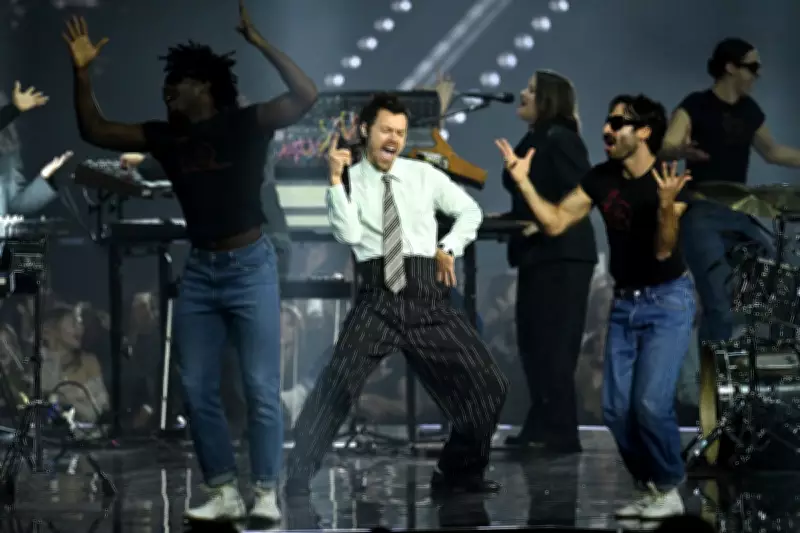
Fan spending for Harry Styles’s 12-night run at Wembley Stadium is expected to reach £1.1 billion, despite ongoing cost-of-living pressures, according to a survey for Barclays bank. The event, which begins on June 12, is anticipated to attract one million ticket-holders to London, making it a ‘major cultural moment’.
Average Fan Expenditure
Ticket-holders are expected to spend an average of £981 attending the Together, Together tour, which is limited to London in the UK. This figure surpasses the average £848 spent by fans attending Taylor Swift’s Eras Tour and the £766 for Oasis Live ’25 shows, though those tours were held across multiple UK locations, reducing travel costs.
Breakdown of Costs
- Official merchandise: £102 on average
- Tickets: £143.20 on average (19% paid more than planned, 66% willing to pay more)
- Accommodation: £141.20
- Transport: £103.10
- Food and drinks: £103.10
Fan Behavior and Trends
Nine in ten fans plan to participate in a ‘fan trend’, with 63% wearing a Harry Styles-themed look. A fifth (20%) will coordinate outfits with friends, and 22% hope to create or exchange fan-made items. Nearly 74% of those polled said getting tickets to sold-out events feels like a status symbol.

Cultural and Economic Impact
Barclays managing director Tom Corbett said: “This tour shows just how powerful live entertainment can be, benefiting consumers and businesses alike. ‘Concert tourism’ is on the rise because people value unique, shared experiences and are willing to invest in them even when cutting back elsewhere.”
Styles’ Wembley residency will be the most performances by any artist in a single year at the venue, which holds about 90,000 for music events. With only one other European tour location in Amsterdam, the London dates are a significant draw. Some 28% of fans plan other activities like sightseeing while in London. More than a quarter (27%) view the concert as a once-in-a-lifetime experience, and 17% cited FOMO (fear of missing out) as a factor in their purchase.
The survey, conducted by Opinium between April 28 and May 1, polled 2,000 respondents and an additional 200 ticket-holders.






